The history of The Capitol Theatre, Aberdeen.
A “Super Cinema” for a Modern Age.
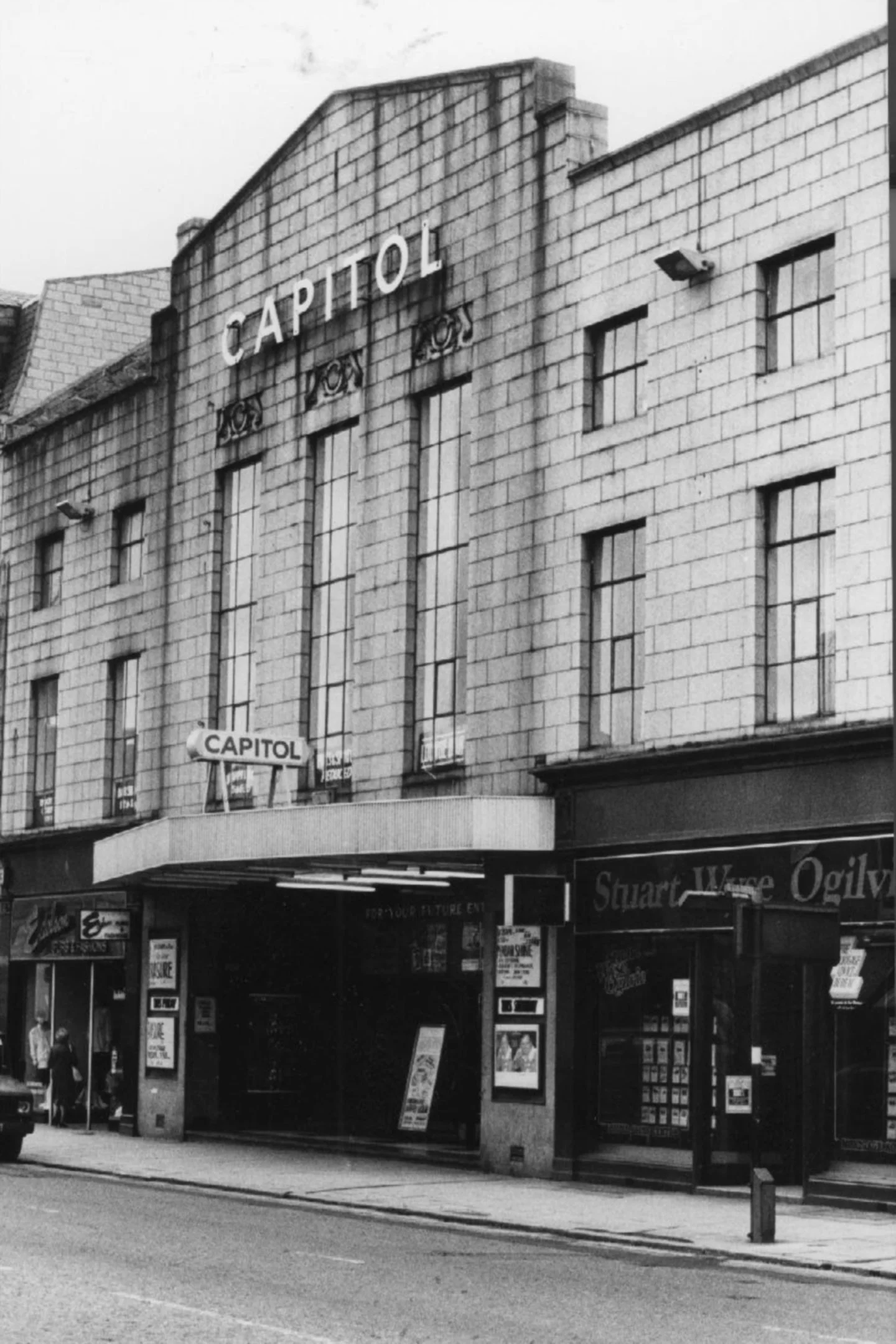
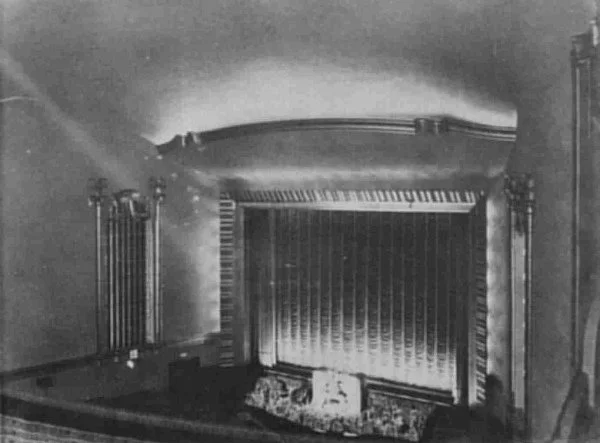
The Capitol Theatre opened its doors on 4th February 1933. It was built on the site of the earlier Electric Cinema and emerged as Aberdeen’s most luxurious venue, seating around 2,100 people, boasting cutting-edge features for its time and was unique in Scotland for being entirely illuminated by a Holophane lighting system.
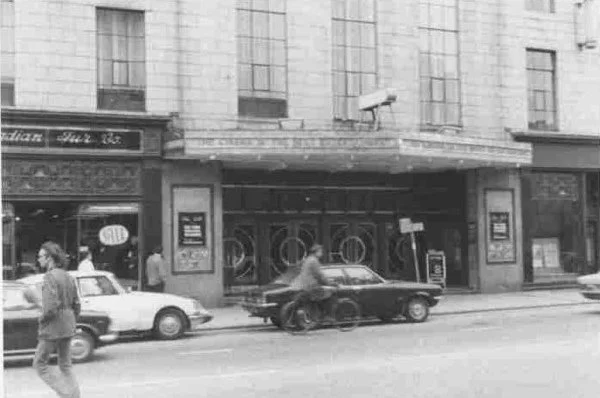
Designed by architects Alexander G. R. Mackenzie and Clement George, the building reflected the influence of European modernist cinema design. Its granite façade, neon lighting, and impressive canopy embodied what was then known as “night architecture”—a style meant to dazzle after dark. It contained a lavish bar and a restaurant.
Inside the theatre was a Compton Organ that emerged from below the stage. It was one of only a handful of such instruments that ever existed in Scotland, and was used to entertain cinema audiences between the 1930s to around the 1950s. Click here to see it being played in 1982.
The move from Films to Live Stage.
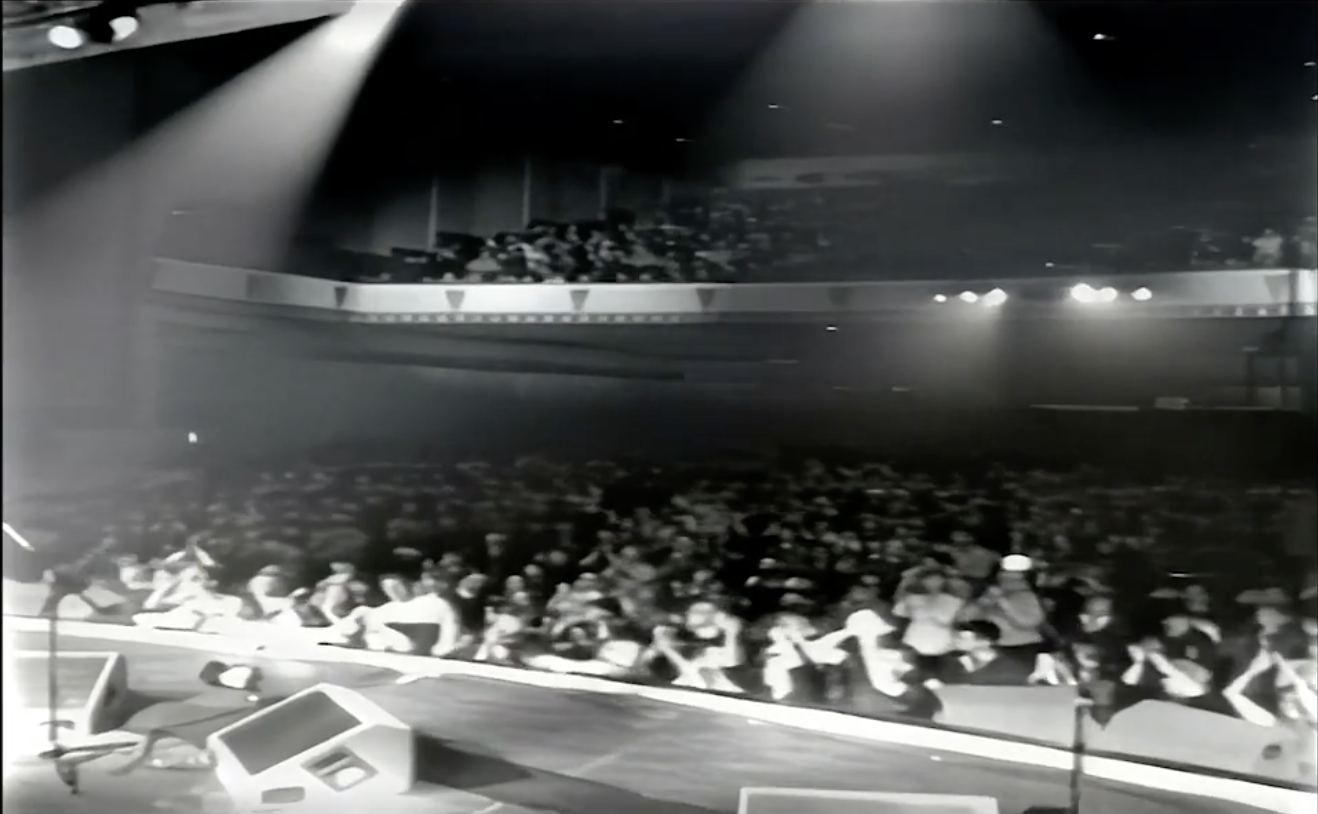
Although built for film, the Capitol quickly evolved and by the mid-20th century, live performances were becoming central to its identity. Variety shows, pantomimes, and concerts transformed the venue into a hybrid entertainment hub.
By the 1950s and beyond, it had become one of Aberdeen's key music venues. Legendary performers such as Queen, The Rolling Stones, AC/DC, The Smiths and U2 all played there.
Nothing stays the same…
Like many cinemas, the Capitol struggled in the late 20th century. The rise of multiplexes, TVs, and home entertainment chipped away at its audience.
Film screenings gradually declined, with the last regular showings ending in the 1990s. The theatre officially closed in 1998, marking the end of a 65-year run as a major entertainment venue in Aberdeen.
Attempts were made to keep the building alive. A nightclub opened in the early 2000s called Jumpin' Jak's, and Chicago Rock Cafe opened at the back of the building (beneath what was the stage I think, but I might be wrong). Sadly, much of the original interior was altered or lost during this period, and by 2009 the clubs had shut down.
The building as it is now.
The building lay empty for a while until 2013, when developers moved in and transformed it to what is there now - The Capitol Building, a modern seven storey office development. The decaying auditorium behind it was demolished, but the historic frontage was preserved and returned to its former Art Deco glory. Fortunately many of the original features were kept, which you can still see (light fittings and door styles from the old theatre) making it look lovely again.
What happened to the organ?
The Compton Organ was thankfully rescued before the demolition took place, and is now safe in Germany being looked after by an organ builder/restorer. There's not much information online other than that, however. (I'd loved to have seen and heard the Capitol's organ but sadly never did - Yvonne.)